
Payroll Services Compliance sets the stage for this enthralling narrative, offering readers a glimpse into a story that is rich in detail with a casual formal language style and brimming with originality from the outset.
In today’s complex business landscape, ensuring compliance with payroll services regulations is crucial for the success and sustainability of any organization. This guide will delve into the intricate world of Payroll Services Compliance, shedding light on key concepts and practical tips to navigate this essential aspect of business operations.
Introduction to Payroll Services
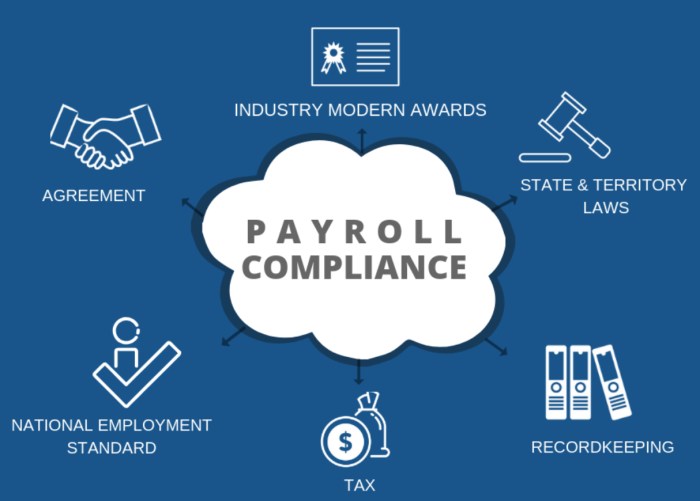
Payroll services refer to the process of managing and processing employee compensation, including salaries, wages, bonuses, and deductions. It involves calculating payments, withholding taxes, and ensuring compliance with labor laws and regulations.
Efficient payroll services are crucial for businesses of all sizes, as they play a vital role in maintaining employee satisfaction, financial stability, and legal compliance. By outsourcing payroll tasks to professionals, companies can streamline operations, reduce errors, and focus on core business activities.
Key Components of Effective Payroll Services
- Accurate Calculation: Payroll services must ensure precise calculation of employee salaries, taxes, and deductions to avoid discrepancies and legal issues.
- Timely Payments: Ensuring that employees are paid accurately and on time is essential for maintaining morale and productivity within the organization.
- Compliance with Regulations: Payroll services need to stay updated with labor laws, tax regulations, and reporting requirements to avoid penalties and legal consequences.
- Data Security: Protecting sensitive employee information and financial data is critical for maintaining trust and confidentiality.
- Reporting and Analysis: Generating reports and analyzing payroll data can help businesses make informed decisions, identify trends, and improve financial planning.
Payroll Services Compliance
Compliance in the context of payroll services refers to the adherence to laws, regulations, and standards related to paying employees accurately and on time, as well as reporting payroll taxes and other withholdings to the appropriate authorities.
Common Compliance Requirements for Payroll Services
- Accurate calculation and timely payment of wages
- Withholding and remittance of payroll taxes
- Proper classification of employees for tax purposes
- Compliance with labor laws regarding overtime pay, breaks, and minimum wage
- Record-keeping requirements for payroll-related information
Consequences of Non-Compliance in Payroll Services
- Penalties and fines from tax authorities for late or incorrect filings
- Lawsuits from employees for wage violations or misclassification
- Damage to the company’s reputation and potential loss of employee trust
- Audit by regulatory agencies leading to further scrutiny and potential legal action
Legal Framework for Payroll Services Compliance
In the realm of payroll services, compliance with legal regulations is crucial for businesses to avoid penalties and ensure smooth operations. Various laws govern payroll services, impacting how businesses manage employee compensation and taxes.
Examples of Laws Impacting Payroll Compliance
- The Fair Labor Standards Act (FLSA): This federal law establishes minimum wage, overtime pay, recordkeeping, and youth employment standards affecting employees in the private sector and in federal, state, and local governments.
- The Internal Revenue Code (IRC): This tax law governs payroll taxes, including income tax withholding, Social Security, and Medicare taxes.
- The Family and Medical Leave Act (FMLA): This law requires covered employers to provide employees with job-protected and unpaid leave for qualified medical and family reasons.
Staying Updated with Changing Compliance Laws
Businesses can stay abreast of changing compliance laws by:
- Regularly reviewing updates from government agencies like the Department of Labor (DOL) and the Internal Revenue Service (IRS).
- Seeking assistance from legal counsel or HR professionals specialized in labor laws.
- Participating in training sessions or webinars focused on payroll compliance.
Implementing Payroll Services Compliance
Ensuring compliance in payroll services is crucial for maintaining accuracy, transparency, and legal adherence in an organization’s financial processes. Implementing payroll services compliance involves a series of steps and the integration of technology to streamline operations and mitigate risks.
Steps to Ensure Payroll Services Compliance
- Establish clear policies and procedures outlining payroll processes and compliance requirements.
- Regularly review and update payroll policies to align with changing regulations and laws.
- Provide training to payroll staff on compliance best practices and legal obligations.
- Conduct internal audits to identify and address any compliance discrepancies or errors.
- Engage with legal counsel or compliance experts to ensure ongoing adherence to regulations.
Role of Technology in Maintaining Compliance
Technology plays a vital role in maintaining compliance in payroll services by automating processes, reducing manual errors, and enhancing data security. Payroll software can help in accurate calculations, timely reporting, and ensuring data confidentiality. Additionally, technology solutions can provide audit trails and compliance monitoring functionalities for better oversight.
Best Practices for Implementing Compliance Measures in Payroll Services
- Utilize cloud-based payroll systems to securely store and manage payroll data.
- Implement multi-factor authentication and other security measures to protect sensitive information.
- Regularly conduct risk assessments to identify potential compliance issues and address them proactively.
- Document all payroll processes and compliance measures for transparency and accountability.
- Stay informed about changes in regulations and laws impacting payroll to adjust compliance measures accordingly.
As we conclude our exploration of Payroll Services Compliance, it becomes evident that adherence to legal requirements and operational standards is paramount in ensuring the smooth functioning of payroll processes. By staying informed, implementing best practices, and leveraging technology, businesses can streamline their payroll services while mitigating risks associated with non-compliance.
FAQ Corner
What does compliance mean in payroll services?
Compliance in payroll services refers to the adherence to legal regulations and operational standards set forth by governing bodies to ensure accurate and lawful payroll processing.
What are the consequences of non-compliance in payroll services?
Non-compliance in payroll services can lead to hefty fines, legal penalties, damaged reputation, and operational disruptions for businesses.
How can businesses stay updated with changing compliance laws in payroll services?
Businesses can stay updated with changing compliance laws in payroll services by regularly monitoring regulatory updates, seeking legal counsel, and investing in compliance training for their staff.
What role does technology play in maintaining compliance in payroll services?
Technology plays a crucial role in maintaining compliance in payroll services by automating processes, ensuring accuracy, and providing secure data storage for sensitive payroll information.


